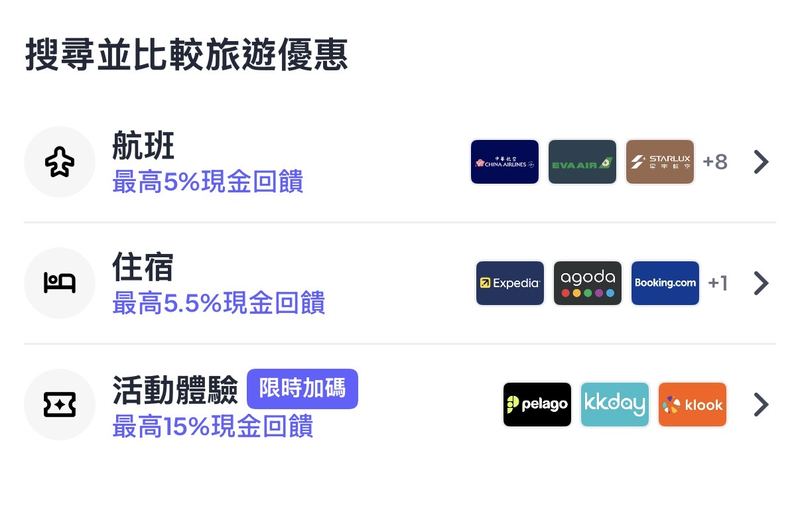
There was a feature I worked on at Shopback that I almost didn’t think twice about.
The ask was simple: the PM had a design for a selection panel inside the app — a small UI element where users choose from a list. The design called for adding merchant icons to each entry. My part was coordinating with the frontend team to make sure the integration was wired up correctly on the backend side. It wasn’t technically involved. It was cooperation work: PM had a vision, design had an artifact, and I helped connect the pieces so it could ship.
That was it.
After it deployed, a stakeholder shared the numbers. The entry rate for that panel — the percentage of users who saw the page and actually clicked into the selection panel — had moved from roughly 10% to over 40%. A 30%+ lift.
I remember reading that and pausing.
The Implicit Model I Had Been Carrying
Before this, I’d had a quiet assumption about how impact works in software: it scales with difficulty. The harder the problem, the more it matters. System migrations, performance refactors, non-obvious algorithms — those are the real work. A UI tweak? Icons on a list? That’s almost not engineering.
The data disagreed.
That panel change touched a significant number of user sessions. It changed what people did when they opened the app. Meanwhile, some of the work I’d spent much more time on — cross-service API migrations, error rate reductions — was genuinely important, but its user-visible effect was quieter. Infrastructure work often is.
The icons were one afternoon of coordination and a 30% behavioral shift.
Why Good Design Is Real Work
The thing the icons actually did was give the panel identity. Before them, the entries were probably just text or a generic list. After, each row had a visual anchor — something that says “this is a real thing, a recognizable thing, worth your attention.” Users responded to that signal.
This isn’t a new idea. But there’s a difference between knowing that design matters and watching it matter on a metric you can point to.
What I updated was the scope of “engineering contribution.” Getting the backend integration right so the icons loaded correctly, at the right time, without breaking the panel’s existing behavior — that’s a real contribution. It’s not glamorous. But it was the thing that made the PM’s vision shippable, and the shippable thing was the thing that moved the number.
On Pride
Something I didn’t fully expect was how it felt when the numbers came in.
The pride wasn’t about technical difficulty. It was about effect. Something I touched changed what a large number of people did when they opened the app. That’s a different kind of satisfaction from solving a hard problem cleanly — less intellectual, more connected to actual people.
I think this is the version of pride worth chasing in software. Not “I solved something hard” but “something I built is now part of how people move through the world.” Even if the movement is small — tapping a different button, seeing something they didn’t see before.
Making impact doesn’t always look like the hardest problem in the room. Sometimes it looks like a row of icons.